
Our 2026 Annual Planning Checklist highlights common year-end considerations and annual best practices to help guide planning conversations for the year ahead.
Year-end planning is most effective when tax, investment, estate, insurance, business and family decisions are considered together. The One Big Beautiful Bill Act made many provisions of the 2017 Tax Cuts and Jobs Act permanent while introducing several changes that matter in 2026.
TAX PLANNING
An updated tax projection can help identify year-end opportunities involving estimated taxes, portfolio gains and losses, retirement accounts, charitable giving and Roth conversions. Clients with existing Qualified Opportunity Fund investments should also prepare for the 2026 deferred-gain inclusion and related liquidity needs.
ESTATE, GIFT & CROSS-BORDER PLANNING
Year-end is also an opportunity to revisit gifting, estate and trust strategies, beneficiary designations and insurance arrangements. Families with international ties should consider the tax, legal and reporting implications of moves, foreign holdings, employment and cross-border estate planning.
FINANCIAL WELLNESS & BUSINESS CONSIDERATIONS
Reviewing liquidity, asset allocation, borrowing, insurance and equity compensation can help ensure that financial arrangements remain aligned with current needs. Business owners and executives may also want to revisit succession planning, QSBS eligibility, tax deductions and expensing, payroll reporting and other business requirements.
CYBERSECURITY, PHILANTHROPY & LEGACY
The checklist also addresses practical steps to strengthen cybersecurity and digital-asset administration, as well as philanthropic and legacy planning. Families may want to review giving structures, governance, succession and opportunities to engage the next generation.
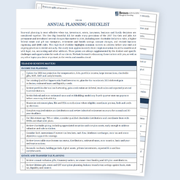
As always, our Strategic Advisory team is here to help identify priorities, coordinate with your other advisors and turn selected items into an actionable plan.
The views expressed are those of Brown Advisory as of the date referenced and are subject to change at any time based on market or other conditions. These views are not intended to be and should not be relied upon as investment advice and are not intended to be a forecast of future events or a guarantee of future results.
The information contained herein has been prepared from sources believed reliable but is not guaranteed by us as to its timeliness or accuracy and is not a complete summary or statement of all available data. This piece is intended solely for our clients and prospective clients, is for informational purposes only, and is not individually tailored for or directed to any particular client or prospective client.
Any accounting, business or tax discussion contained in this communication is not intended as a thorough, in-depth analysis of specific issues, nor a substitute for a formal opinion, nor is it sufficient to avoid tax-related penalties. Prior to making an investment decision, a prospective investor should consult with their own legal, tax, accounting, and other advisors to determine the potential benefits, burdens, and other consequences of such investment.